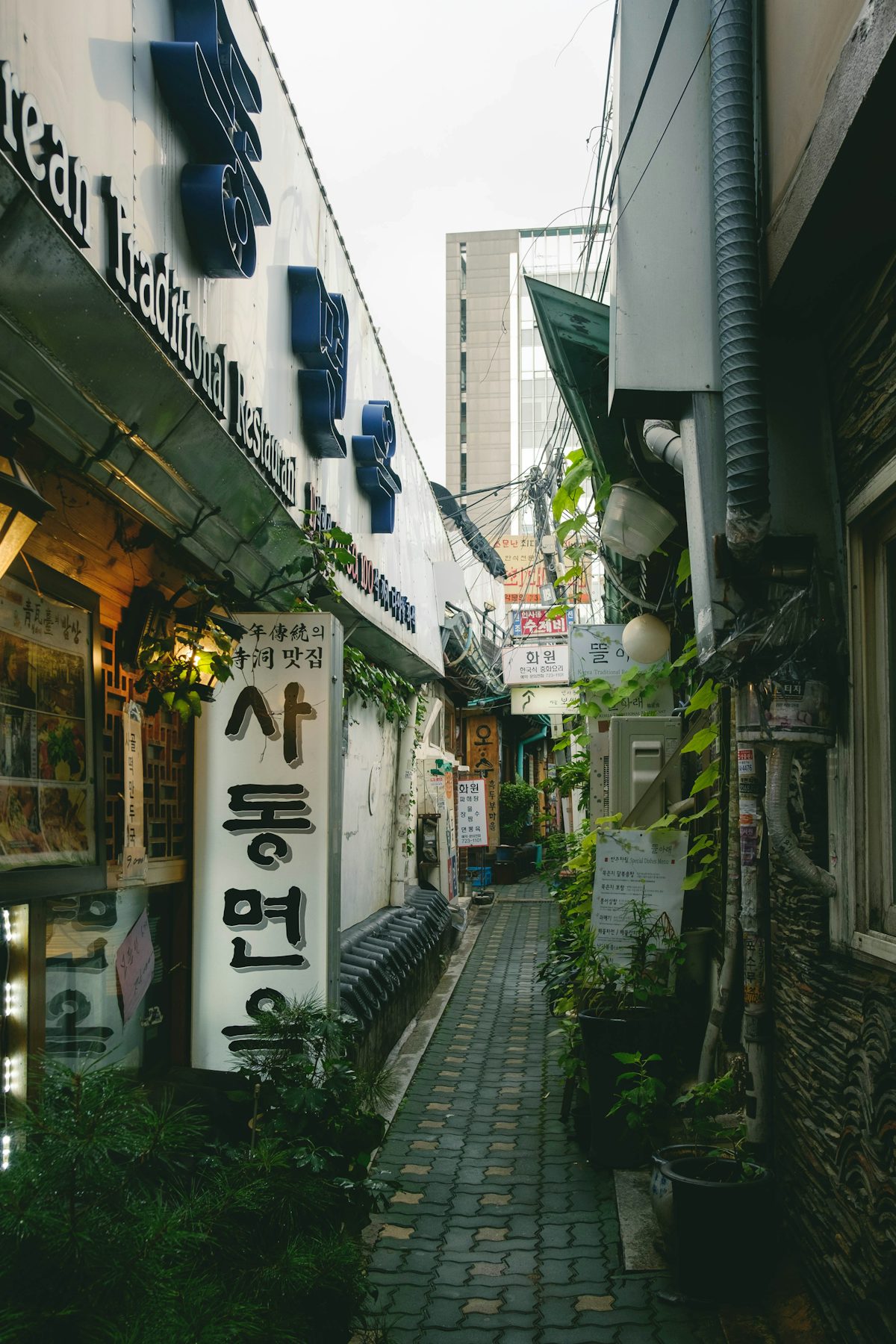
Popular restaurants, bakeries and dessert cafes in Seongsu, Hannam, Hongdae and Anguk rarely work on a simple walk-in basis. Many use a digital waitlist, some take bookings through an app, and a few still rely on a physical line. For visitors, the catch has long been the Korean phone number many systems ask for. Here is how the main options work for travellers as of 2026-11. Policies change and every shop sets its own rules, so treat this as a starting point and check the restaurant's own notice before you go.
How waitlists work in Korea
At a busy spot you usually register rather than stand in line. You choose your party size, enter a contact and receive a number. When your turn comes, you get a notification and must return within the time the shop sets. If you miss it, your place can be cancelled. Some shops let you join remotely before you arrive; others accept registration only at the door. A waitlist holds your place in the queue, but it is not a guaranteed table time.
CatchTable Global
CatchTable is one of Korea's most widely used reservation and waitlist platforms, and CATCHTABLE GLOBAL is the version made for international travellers, as introduced on the Korea Tourism Organization's VisitKorea site. Key points:
- Sign up with a Google, Apple or email account. No Korean phone number is needed.
- Reservation deposits can be paid with cards issued abroad.
- The service runs in 20 languages, including English, Japanese and Chinese.
- It offers timed reservations, remote waitlists and on-site waitlists. Joining a waitlist does not require a deposit.
On a restaurant's page, the booking or waitlist button appears only when that option is open. If the shop takes on-site waiting only, the app says so. Turn on push notifications and use an email address you check during the trip, because that is how confirmations and turn alerts reach you.
Two caveats. The Korean-language CatchTable app (캐치테이블) is a separate app that asks for Korean mobile identity verification, so download the global version. And not every restaurant is listed; some tables or time slots may appear only in the Korean app.
Tabling
Tabling (테이블링) is the other big waitlist service, common in department-store food halls and popular restaurants. As of 2026-11 we could not find a global version. Its app store listing is in Korean, its terms do not spell out a policy on foreign numbers, and travellers report that sign-up fails without a Korean number. In practice, think of Tabling as something you meet on a tablet at the door rather than an app to set up before your flight.
Door tablets and kiosks
Many shops put a tablet by the entrance. You choose the number of people, enter a phone number and agree to the terms. If the screen asks for a number starting with 010 and you do not have one:
- Ask the staff. Some can add you by name or let you wait in person.
- If you bought a tourist SIM or eSIM with voice and text service, you have a Korean 010 number and text alerts can reach you. Data-only plans usually cannot receive texts.
- Many alerts go out by KakaoTalk or text message, so a foreign number may not get them even if the tablet accepts it. Stay close and keep an eye on the queue.
Naver reservations
Since June 2026, Naver has let foreign visitors verify their identity with a passport on their phone and then book, order and pay on Naver Map, without a Korean number. Whether a particular shop takes bookings this way still depends on the shop.
A simple plan for a busy day
1. Look up the place on its official Instagram or Naver Map listing. Note which system it uses, whether remote waiting is open, and the opening time. 2. For on-site-only places, arriving shortly before opening usually means a shorter wait. Popular spots can still have long queues on weekends. 3. Once registered, stay nearby. Many shops call the next party if you do not come back within a few minutes. 4. Make sure your whole group is there when called. Many restaurants seat a party only when everyone has arrived. 5. If your plans change, cancel in the app or tell the staff instead of simply not showing up.
Booking etiquette
Korean restaurants have struggled with no-shows, which is one reason deposits exist. Read the cancellation rules before paying, since each restaurant sets its own. Avoid holding spots at several places and abandoning them, and do not register for a small group and then arrive with more people. It keeps the system fair for everyone in line, including you.
If a place you really want to visit uses a system you cannot access, a guided food tour or a paid booking service can be another route, but compare fees and cancellation terms before you pay.
 Naver Map and KakaoMap in Korea: A Practical Guide for Visitors
 Korea Transport Cards Explained: T-money, Climate Card and WOWPASS
 eSIM, SIM or Pocket Wi-Fi for Korea: How to Choose, and the ID Verification Catch
 Paying in Korea: Cards, Cash, Currency Exchange and Tax Refunds
 Hot Place Etiquette in Korea: Photos, Ordering Rules, No-Zones and Waiting
 Renting Hanbok Near Gyeongbokgung: Prices, Free Palace Entry and Photo Etiquette
 Incheon Airport to Seoul: AREX Express, All-Stop Train, Limousine Bus or Taxi
 Shopping at Olive Young in Korea: What Visitors Buy, Tax Refunds, Memberships and Sale Weeks
 K-Pop Spots in Seoul: Agency Buildings, Album Stores and How Music Show Audiences Work
 Rainy or Freezing Day in Seoul: Indoor Plans by Area
 Two Days in Seoul's Hot Places: A Neighbourhood-by-Neighbourhood Route by Subway