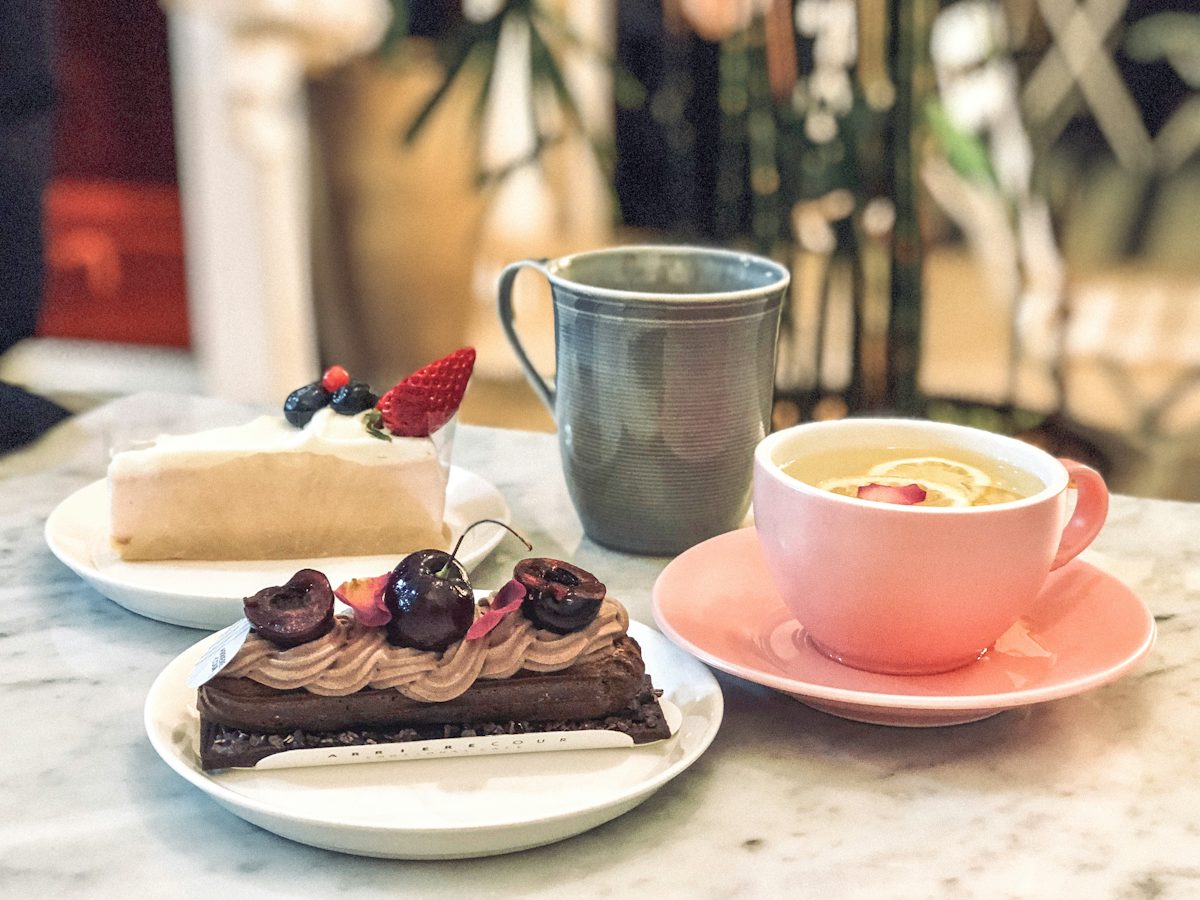
Korea's hot places, from small Seongsu cafes to the hanok lanes of Bukchon, draw crowds because they feel personal and photogenic. Many are also small businesses squeezed into tight spaces, often right next to people's homes. A few local habits will make your visit smoother and keep you on good terms with staff and neighbours. Venue rules vary, so treat these as general patterns and follow the signs at each place. Information here is as of 2026-11.
Photos: take them, but share the space
Photographing your drink and table is normal at most cafes. A few things are not:
- Capturing other customers' faces, laptop screens or conversations, or staff, without asking.
- Moving furniture, products or decorations for a shot. Ask first.
- Long shoots with tripods, lights or outfit changes. Ask staff before you start, and step aside when the room is busy.
- Blocking counters, stairs or narrow doorways while you pose.
- Ignoring a 촬영 금지 (no photography) sign. Some shops ban photos on certain floors or of certain artworks.
Residential hot spots have rules too
Bukchon Hanok Village is the clearest example. Its busiest lanes around Bukchon-ro 11-gil are a red zone where tourist visits are allowed only from 10:00 to 17:00. Sightseeing there between 17:00 and 10:00 the next morning can bring a fine of 100,000 won, enforced since March 1, 2025, and the district counts photographing, filming and lingering as tourism. Seoul also asks visitors to treat Sunday as a rest day for the alleys. In any residential area, keep your voice down, do not sit on doorsteps, and never step through a private gate for a photo.
One drink per person, and other ordering rules
You will often see these signs in cafes:
- 1인 1음료: one drink per person. Each seated guest is expected to order a beverage, and dessert may not count.
- 1인 1메뉴: one menu item per person. A drink or a dessert usually counts.
- 외부 음식 반입 금지: no outside food or drinks.
These are shop policies, not laws, and they usually do not apply to takeout. They exist because many cafes are small and every seat matters. If you only want to share one cake, check the rule before sitting down. Rules for young children differ by shop, so ask.
No-kids zones and no-study zones
Some cafes and restaurants display 노키즈존 (no-kids zone). It is controversial in Korea, and civic groups describe it as discrimination. A survey released in January 2026 by a coalition of civic groups counted 114 no-kids zones nationwide, more than 60 percent of them in Seoul, Gyeonggi and Jeju, with cafes making up about three quarters, according to a Kyunghyang Shinmun report. Age limits differ by shop, so if you travel with children, check the shop's notice on Naver Map or its Instagram before you go.
You may also see 노스터디존 (no-study zone) or time limits on laptop use. Since 2025, some cafes have restricted long study sessions after a few customers occupied tables for hours. Other places, including some large chains, have gone the other way and added solo seats and outlets for people who want to work. If you plan to sit with a laptop, pick a cafe that welcomes it, and in a small shop with people waiting, finish up and free the table.
Waiting etiquette
- Register through the shop's own system, whether that is an app, a door tablet or a staff list. Do not hold a place in line for friends who will turn up later.
- Make sure your whole group is there when you are called. Many shops seat only complete parties.
- Stay nearby after you register. If you miss your call, the next party goes in.
- Keep the line tidy and quiet, especially in narrow alleys with homes nearby, and follow any floor markings.
- Cancel if your plans change instead of disappearing.
When it gets busy
Crowds follow a familiar pattern at most hot places:
- Weekend afternoons are usually the busiest, especially Saturdays.
- New cafes and pop-ups tend to be most crowded in their first weeks and near their closing dates.
- Weekday mornings, shortly after opening, are usually the calmest time for photos.
- Restaurants fill quickly at lunch and dinner peaks, so going a little early or late helps.
- Public holidays and school vacations bring bigger crowds.
Staying near the areas you want to explore makes early visits much easier. If Seongsu or Bukchon is on your list, a hotel within walking distance or one subway stop away lets you arrive before the queues build and slip back for a rest in the middle of the day.
Small habits that help
- Return trays and cups to the return counter if there is one.
- Keep calls and video sound low, and use headphones.
- Do not leave valuables on a table to save a seat.
- No tip is expected.
- Say 감사합니다 (gamsahamnida, thank you) on your way out. It goes a long way.
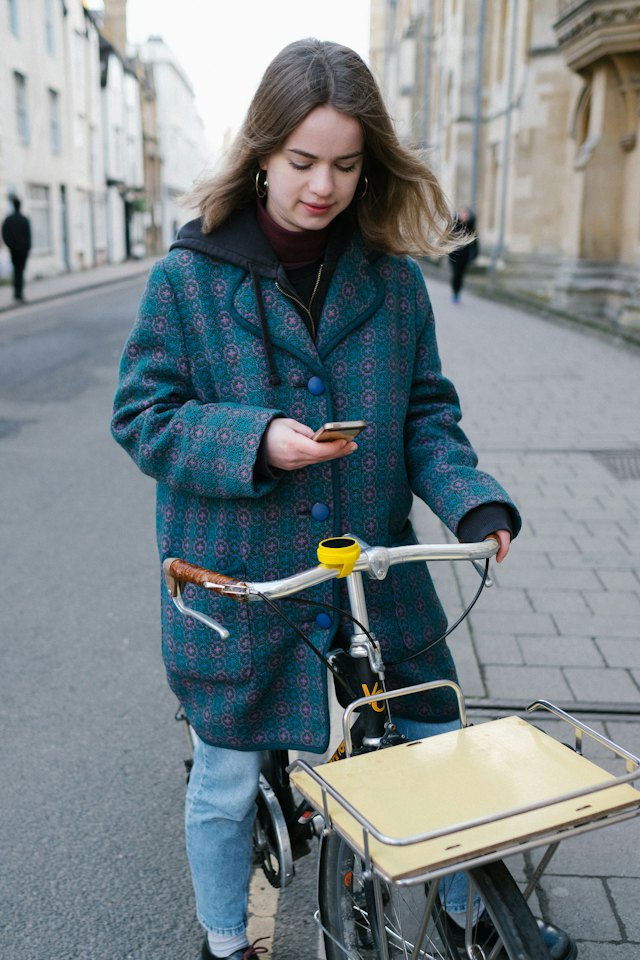 Naver Map and KakaoMap in Korea: A Practical Guide for Visitors
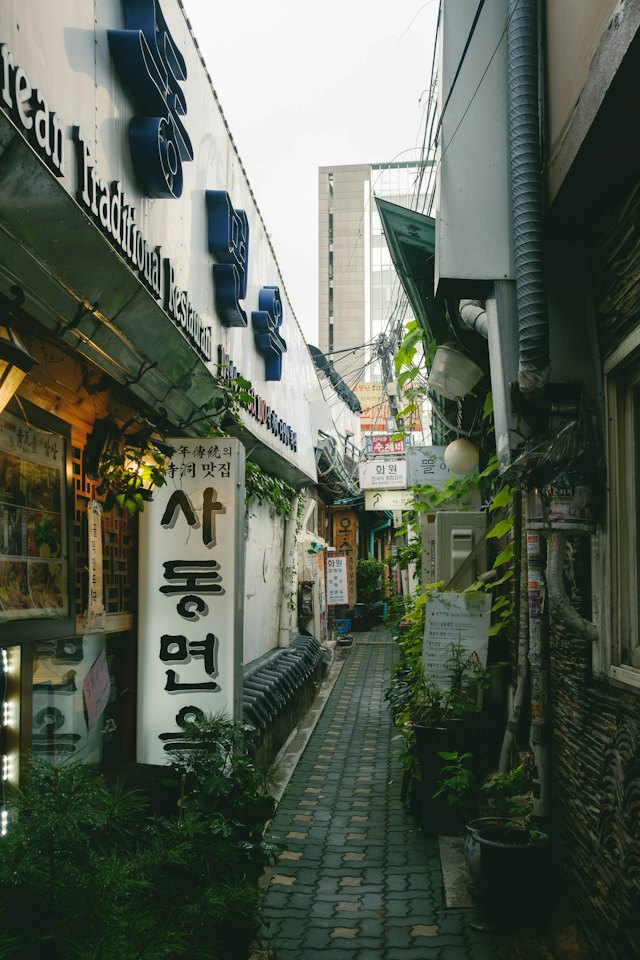 Waitlists and Reservations at Korea's Hot Places: CatchTable Global, Tabling and Door Tablets
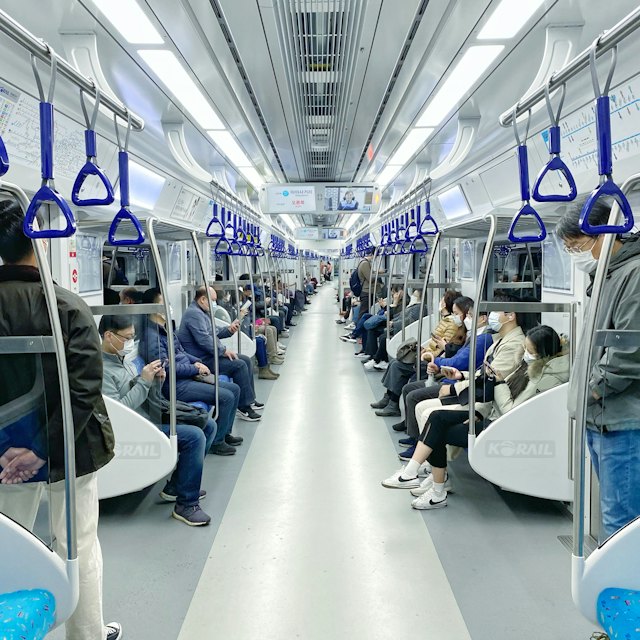 Korea Transport Cards Explained: T-money, Climate Card and WOWPASS
 eSIM, SIM or Pocket Wi-Fi for Korea: How to Choose, and the ID Verification Catch
 Paying in Korea: Cards, Cash, Currency Exchange and Tax Refunds
 Renting Hanbok Near Gyeongbokgung: Prices, Free Palace Entry and Photo Etiquette
 Incheon Airport to Seoul: AREX Express, All-Stop Train, Limousine Bus or Taxi
 Shopping at Olive Young in Korea: What Visitors Buy, Tax Refunds, Memberships and Sale Weeks
 K-Pop Spots in Seoul: Agency Buildings, Album Stores and How Music Show Audiences Work
 Rainy or Freezing Day in Seoul: Indoor Plans by Area
 Two Days in Seoul's Hot Places: A Neighbourhood-by-Neighbourhood Route by Subway