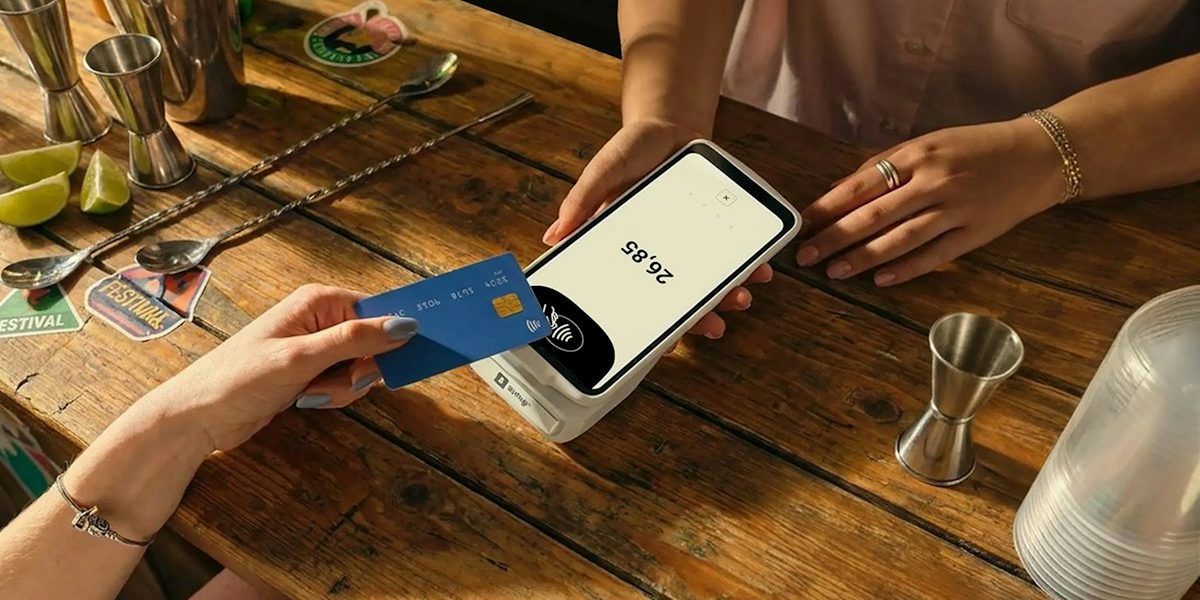
Korea is an easy place to travel with a card. Visa, Mastercard and other international networks are accepted at most shops, restaurants, hotels and convenience stores in the cities. But acceptance has gaps, cash still matters in a few situations, and tax refunds can save you real money if you shop. Everything below reflects what we could confirm as of 2026-11. Rules and fees can change, so check before you rely on them.
Cards: what works and where
The Seoul Metropolitan Government and the Korea Tourism Organization both say major international cards can be used in most stores, restaurants, hotels and tourist sites, while noting that some stores may not offer card service. Paying a small amount by card, even for one coffee, is completely normal.
Where foreign cards are more likely to fail:
- Some self-service kiosks and parking machines. Ordering at the counter usually solves it.
- Traditional market stalls and street food, where cash or bank transfer is common.
- Korean websites and apps that require Korean identity verification or a Korean-issued card at checkout. Online booking and sign-up are where visitors report the most payment trouble.
- Subway gates and bus readers. You need a transit card; see our transport card guide.
Tips:
- Carry two cards on different networks, for example a Visa and a Mastercard, so one decline does not stop you.
- If a terminal offers to charge you in your home currency, choosing won usually avoids an extra conversion margin. Ask your card issuer about foreign transaction fees before you go.
- Amex is accepted in many places but not everywhere, so ask before ordering.
- Terminals may ask for a signature, a PIN or nothing at all. Know your card's PIN.
Cash: how much and where to get it
You do not need much cash, but keep some for T-money top-ups (usually cash only), market stalls, small shops and as a backup when a terminal is down.
- Banks and registered money changers exchange major currencies. Bring your passport and clean notes, since damaged notes can be refused.
- Visitor areas such as Myeong-dong have many changers. Compare posted rates and ask exactly how many won you will receive, with all fees included, before you hand over money.
- Airports are convenient for a small first amount.
- Many ATMs accept foreign cards; look for machines marked for overseas or global cards. Fees depend on both the Korean bank and your home bank.
- Prepaid visitor cards such as WOWPASS let you load foreign cash at machines and pay by card, if you prefer that to carrying won.
Tax refunds for visitors
Foreign visitors staying less than six months can get back part of the VAT on goods bought at participating tax-free shops, which display a Tax Free or Tax Refund sign. As of 2026-11, the main rules are:
- Minimum purchase: 15,000 won or more on one receipt from one shop. Separate small receipts are not added together.
- Immediate refund at the shop: show your passport and pay the tax-free price on the spot. Each purchase must be under 1,000,000 won, and immediate refunds are capped at 5,000,000 won in total per trip. These limits have applied since January 1, 2024.
- Downtown refund desks and kiosks: claim before you go to the airport, for purchases up to 6,000,000 won per receipt, usually with a credit card held as security.
- Airport refund: claim on your departure day at a kiosk or counter, after a customs check where required.
- The goods must leave Korea within three months of purchase, and customs may ask to see them unused.
Restaurant meals and services are generally not covered by the standard goods refund. The amount you get back is usually less than the full 10 percent VAT, because refund operators charge fees. Carry your passport on shopping days, since you cannot get an instant refund without it.
Apps and mobile payment
Many Korean payment apps were built for people with Korean bank accounts, and their support for foreign cards varies. Some services are opening up. Since June 2026 Naver has let visitors verify with a passport to book and pay on Naver Map, and Korean media reported that the delivery app Baemin began accepting overseas cards in 2026. Check each app before you depend on it.
Tipping
Tipping is not expected in Korea, whether in restaurants, cafes or taxis. Pay the price shown.
A simple money setup
- Two international cards on different networks
- A small amount of won cash for transit top-ups and markets
- Your passport on shopping days
- A transit card for the subway and buses
With that in your pocket, you will rarely have to think about payment, and you can spend your energy on the places themselves.
 Naver Map and KakaoMap in Korea: A Practical Guide for Visitors
 Waitlists and Reservations at Korea's Hot Places: CatchTable Global, Tabling and Door Tablets
 Korea Transport Cards Explained: T-money, Climate Card and WOWPASS
 eSIM, SIM or Pocket Wi-Fi for Korea: How to Choose, and the ID Verification Catch
 Hot Place Etiquette in Korea: Photos, Ordering Rules, No-Zones and Waiting
 Renting Hanbok Near Gyeongbokgung: Prices, Free Palace Entry and Photo Etiquette
 Incheon Airport to Seoul: AREX Express, All-Stop Train, Limousine Bus or Taxi
 Shopping at Olive Young in Korea: What Visitors Buy, Tax Refunds, Memberships and Sale Weeks
 K-Pop Spots in Seoul: Agency Buildings, Album Stores and How Music Show Audiences Work
 Rainy or Freezing Day in Seoul: Indoor Plans by Area
 Two Days in Seoul's Hot Places: A Neighbourhood-by-Neighbourhood Route by Subway